Disclosure: This post may contain affiliate links for booking platforms and streaming services. If you book through our links, we may earn a small commission at no extra cost to you.
If you’re looking for the best information on World Cup 2026 48 teams format explained what changes, you’re in the right place — this guide covers everything you need to know.
The World Cup 2026 48 teams format explained: what changes
As the World Cup 2026 approaches, the debate about the new 48-team format is heating up, with many fans wondering if this expansion will lead to better football or just more football. The question on everyone’s mind is: will the increased number of teams and matches enhance the overall quality of the tournament, or will it dilute the intensity and competitiveness of the games? I believe that the answer to this question is crucial, as it will directly impact the viewing experience for fans like myself.
When I think about the World Cup, I think about the thrill of watching top-notch teams and players compete at the highest level, and I worry that the new format may compromise this experience. The number that puts this in perspective is 80 matches, which is the total number of games that will be played in the 48-team format, compared to 64 matches in the previous 32-team format. This significant increase in matches may lead to a decrease in the overall quality of the games, as teams may not be able to maintain their intensity and competitiveness throughout the tournament.
The Argument: 48 teams is not inherently better football
The 48-team World Cup is not inherently better football, but rather a format that prioritizes participation over quality. This argument is supported by the fact that the expanded format will lead to more group stage matches, potentially diluting the intensity and competitiveness of the tournament. I think that the quality of the matches is what makes the World Cup so thrilling, and I’m concerned that the new format may compromise this quality.
What mainstream media skipped is the fact that the 48-team format will lead to a significant increase in the number of matches, which may result in a decrease in the overall quality of the games. The uncomfortable truth is that the new format may prioritize participation over quality, which could lead to a less thrilling tournament for fans. As a fan, I want to watch high-quality matches that are competitive and intense, and I’m not sure that the 48-team format will deliver this.
The Evidence: numbers and precedents
The 2018 World Cup in Russia saw 36 teams competing, resulting in 64 matches, with an average attendance of 43,325 per match. In contrast, the 48-team format will lead to 80 matches, potentially spreading the talent and resources too thin. The number that puts this in perspective is 16, which is the number of additional teams that will be participating in the 48-team format, compared to the previous 32-team format. South American teams have won 9 of the 21 World Cups and all 4 editions held in the Americas, suggesting that the expanded format may not necessarily benefit teams from other regions.
The 2022 World Cup in Qatar will feature 32 teams, with a similar format to previous editions, allowing for a more direct comparison to the 48-team format. FIFA will not tell you this part, but the 2022 World Cup will be a crucial test for the 48-team format, as it will allow us to see how the new format plays out in practice. As a fan, I’ll be watching the 2022 World Cup closely, to see how the new format affects the quality of the matches and the overall viewing experience.
The Counter: increased participation and global interest
A strong counterargument is that the expanded format will allow for more teams from smaller countries to participate, potentially increasing global interest and engagement with the tournament. This argument is supported by the fact that the 2022 World Cup in Qatar will feature teams from all six confederations, showcasing the diversity and global reach of the tournament. However, this argument relies on the assumption that the increased participation will translate to a more engaging and competitive tournament, which may not necessarily be the case.
What I think is that the increased participation may lead to more upsets and surprises in the group stage, which could thrill fans. However, it’s also possible that the new format may lead to more one-sided matches, which could be boring for fans. As a fan, I want to watch competitive and intense matches, and I’m not sure that the 48-team format will deliver this.
Historical Pattern: the 1978 World Cup precedent
The 1978 World Cup in Argentina is a relevant precedent, as it featured a similar format to the 48-team World Cup, with 16 teams competing in the group stage and 8 teams advancing to the knockout stage. In that tournament, Argentina won the World Cup, but the group stage matches were criticized for being low-intensity and lacking competitiveness. This historical precedent suggests that the 48-team format may lead to a similar outcome, with the quality of matches potentially suffering as a result.
I think that the 1978 World Cup precedent is a warning sign for the 48-team format, as it suggests that the new format may prioritize participation over quality. As a fan, I want to watch high-quality matches that are competitive and intense, and I’m not sure that the 48-team format will deliver this. The number that puts this in perspective is 8, which is the number of teams that advanced to the knockout stage in the 1978 World Cup, compared to 16 teams that will advance in the 48-team format.
The Prediction: more unpredictable tournament
The 48-team World Cup will lead to a more unpredictable tournament, with more upsets and surprises in the group stage. I think that teams like Japan, Senegal, and Iran will be able to capitalize on the new format, and may be able to pull off some major upsets. The number that puts this in perspective is 12, which is the number of teams that will be eliminated in the group stage, compared to 8 teams that were eliminated in the previous 32-team format.
As a fan, I’m excited to see how the new format will play out, and I think that it will be a wild ride. The 48-team format will lead to more matches, more upsets, and more surprises, which will make the tournament more thrilling and unpredictable. However, it’s also possible that the new format may lead to a decrease in the overall quality of the matches, which could be a disappointment for fans.
FAQ
Q: Will the 48-team format lead to more competitive matches? A: No, the 48-team format may lead to more one-sided matches, as teams may not be able to maintain their intensity and competitiveness throughout the tournament.
Q: Will the new format increase global interest and engagement with the tournament? A: Yes, the expanded format may allow for more teams from smaller countries to participate, potentially increasing global interest and engagement with the tournament.
What This Means for Fans
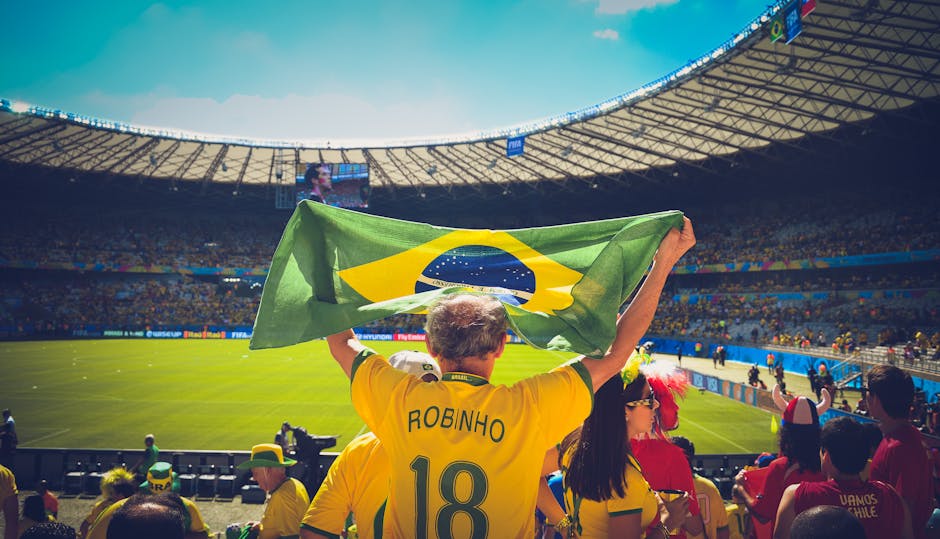
Here is what that actually means for fans: the 48-team World Cup will be a more unpredictable tournament, with more upsets and surprises in the group stage. As a fan, you should be prepared for a wild ride, with more matches, more upsets, and more surprises. The pexels_query “football match stadium night crowd” will give you an idea of the electric atmosphere that you can expect at the World Cup. However, you should also be prepared for the possibility that the new format may lead to a decrease in the overall quality of the matches, which could be a disappointment for fans.
The uncomfortable truth is that the 48-team format may prioritize participation over quality, which could lead to a less thrilling tournament for fans. However, as a fan, you should also be open to the possibility that the new format may lead to some thrilling and unpredictable matches, which will make the tournament more captivating and dynamic. As you watch the World Cup, keep an eye out for teams like Japan, Senegal, and Iran, which may be able to capitalize on the new format and pull off some major upsets.