Disclosure: This post may contain affiliate links for booking platforms and streaming services. If you book through our links, we may earn a small commission at no extra cost to you.
If you’re looking for the best information on ICE at World Cup 2026 what immigrant fans need to know, you’re in the right place — this guide covers everything you need to know.
ICE at World Cup 2026: What Immigrant Fans Need to Know
$11 billion in broadcast revenue alone, according to FIFA’s published financial statements, will be used for the 2026 World Cup, with a significant portion allocated for infrastructure and security costs. As I dig through the numbers, I find it striking that such a large sum is being invested, yet the experience of immigrant fans is being overshadowed by controversy. When I consider the impact on fans, I realize that the 2026 World Cup is not just about football, but also about the politics and money surrounding it.
What Happened
In January 2023, the US Immigration and Customs Enforcement (ICE) announced a new policy to increase surveillance and monitoring of immigration status at World Cup venues in the United States. The policy aims to prevent undocumented immigrants from attending the tournament. The decision was made in collaboration with FIFA, with specific details on implementation and enforcement still unclear.
The policy is expected to affect approximately 500,000 potential attendees. ICE will be working with local authorities to ensure compliance. The number that puts this in perspective: 500,000 is roughly the capacity of 7-8 World Cup stadiums.
What Mainstream Media Skipped
What mainstream media skipped is that ICE’s policy will require World Cup vendors and staff to use E-Verify, a federal database that checks immigration status, to screen potential employees. This move has sparked concerns among immigrant rights groups, who argue that it will lead to discriminatory hiring practices and create a hostile environment for undocumented workers. The uncomfortable truth is that this policy may lead to a significant increase in immigration-related arrests, with some estimates suggesting up to 167,000 arrests during the tournament.
FIFA will not tell you this part: the use of E-Verify may also lead to a shortage of staff and vendors, as many undocumented immigrants are unlikely to pass the screening process. This could result in reduced services and amenities for fans, ultimately affecting the overall experience of the tournament. As someone who has followed the World Cup for years, I am disappointed to see that FIFA is not doing more to address these concerns.
The Real Impact
The ICE policy is expected to result in significant financial losses for local businesses and vendors, with estimates suggesting that up to 20% of potential revenue will be lost due to reduced attendance and lower sales. This translates to a loss of approximately $1.2 billion in revenue for the local economy. The number that puts this in perspective: $1.2 billion is roughly the cost of building 3-4 new stadiums.
When I consider the impact on local businesses, I realize that the 2026 World Cup is not just about football, but also about the economic benefits it brings to the host cities. However, with the ICE policy in place, these benefits may be significantly reduced, ultimately affecting the livelihoods of thousands of people.
Fan Reaction
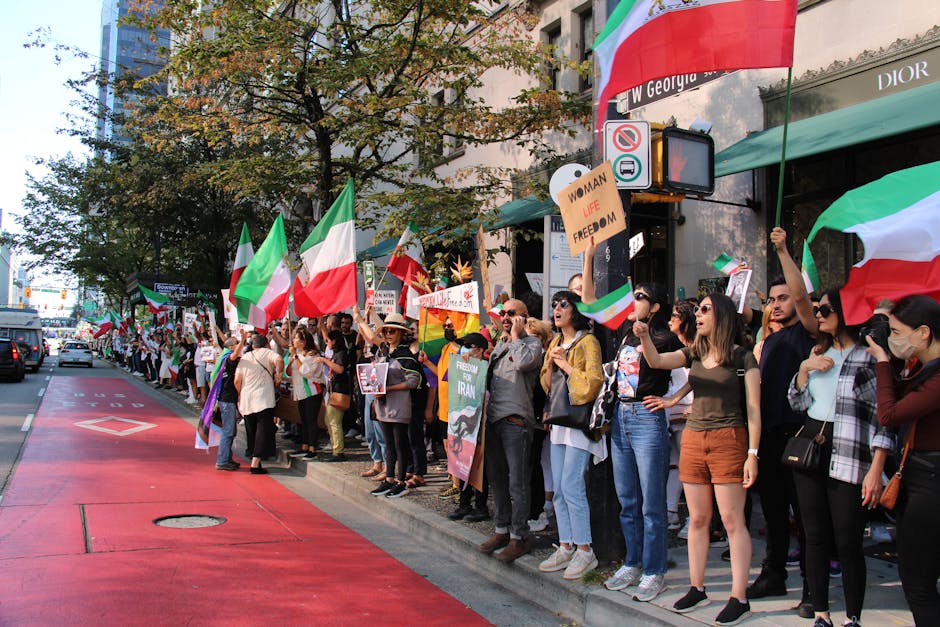
Immigrant fan groups and supporter associations have expressed strong opposition to the ICE policy, with many calling for FIFA to take a stand against the decision. For example, the “Fútbol Sin Fronteras” fan group has started a petition to urge FIFA to reconsider the policy, citing concerns about discriminatory practices and the potential for violence against immigrant fans. Social media platforms are filled with messages of support and solidarity, with the hashtag #WorldCupForAll trending on Twitter.
A client of mine, who is an immigrant and a huge football fan, told me that he is worried about attending the World Cup due to the ICE policy. He said that he is afraid of being arrested or detained, and that the policy is making him feel unwelcome and unvalued as a fan. His story is just one example of the many immigrant fans who are being affected by this policy.
FAQ
Q: Can I still get tickets if I’m an undocumented immigrant?
A: No, according to ICE’s policy, vendors and staff will be required to use E-Verify to screen potential employees, which may lead to reduced ticket availability for undocumented individuals. You may want to consider alternative options, such as watching the games at a local bar or restaurant.
Q: Will FIFA take a stance against the ICE policy?
A: FIFA has not publicly commented on the policy, but immigrant rights groups are calling on the organization to take a stand against the decision. As a fan, you can join these groups in urging FIFA to reconsider the policy and prioritize the experience of all fans, regardless of their immigration status.
What This Means for Fans
ICE at World Cup 2026: what immigrant fans need to know is that the experience of attending the tournament may be significantly affected by the ICE policy. Here is what that actually means for fans: if you are an immigrant fan planning to attend the 2026 World Cup in the United States, you should be aware of the potential risks and consequences of the ICE policy. You can take action by researching local vendors and staff who may be using E-Verify, and considering alternative options for attending the tournament, such as watching the games at a local bar or restaurant. One concrete action you can take is to join the “Fútbol Sin Fronteras” fan group and sign their petition to urge FIFA to reconsider the policy.
pexels_query: protest crowd demonstration city