World Cup 2026 Host Country Politics and Player Controversies Explained
FIFA president Gianni Infantino is facing a formal ethics complaint, now backed by Norway’s football federation, over awarding a peace prize to President Trump and repeatedly praising his political agenda in apparent breach of FIFA’s own neutrality rules. At the same time, a scheduled Seattle match between Egypt and Iran has triggered a diplomatic dispute over Pride celebrations, and extreme heat has already forced teams to cut training short and leave substitutes in locker rooms during preparation events.
These are three separate controversies, but they share the same root cause: a tournament this large, hosted by a politically divided country, was always going to collide with issues bigger than football. Here is what has actually happened in each case.
FIFA’s Neutrality Rules Collide With Politics
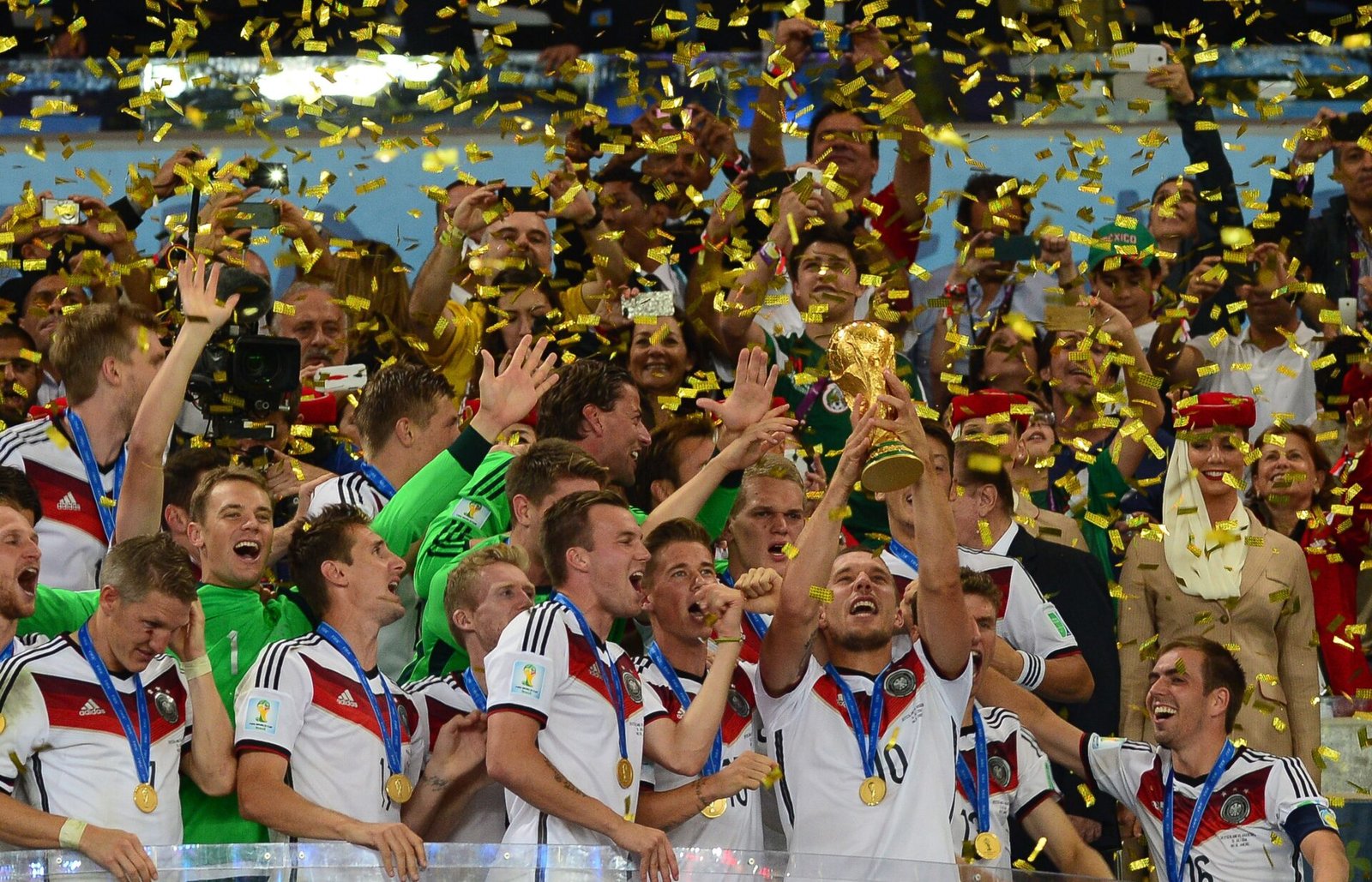
FIFA’s own Code of Ethics requires officials to remain politically neutral when dealing with governments, with Article 15 specifically banning support for individual political leaders or agendas. That rule came under direct pressure on December 5, 2025, when Infantino presented President Trump with the inaugural FIFA Peace Prize at the World Cup draw in Washington, telling him on stage that he definitely deserved the honor and that he could always count on Infantino’s support.
The London based human rights group FairSquare filed an eight page complaint with FIFA’s Ethics Committee three days later, citing four separate instances where Infantino had publicly backed Trump’s political agenda, including a January Instagram video in which Infantino concluded with the line that together they would make not only America great again but also the entire world. FairSquare’s program director argued the complaint was about more than support for one political figure, framing it instead as evidence that FIFA’s governance structure allows its president to act in ways that conflict with the interests of the sport itself.
The complaint gained institutional weight in June 2026 when the Norwegian Football Federation formally backed it just before Norway’s own World Cup departure. Federation president Lise Klaveness, who had already called on FIFA to scrap the peace prize entirely to protect its neutrality, confirmed at a press conference that Norway’s letter of support had been submitted, acknowledging that the move had created friction inside FIFA’s governing structure. Under FIFA’s own rules, a confirmed breach of the neutrality requirement carries a possible ban from football related activity of up to two years, though FIFA’s Ethics Committee does not comment on whether a case is being actively pursued, and no ruling has been announced.
The Seattle Pride Match Dispute
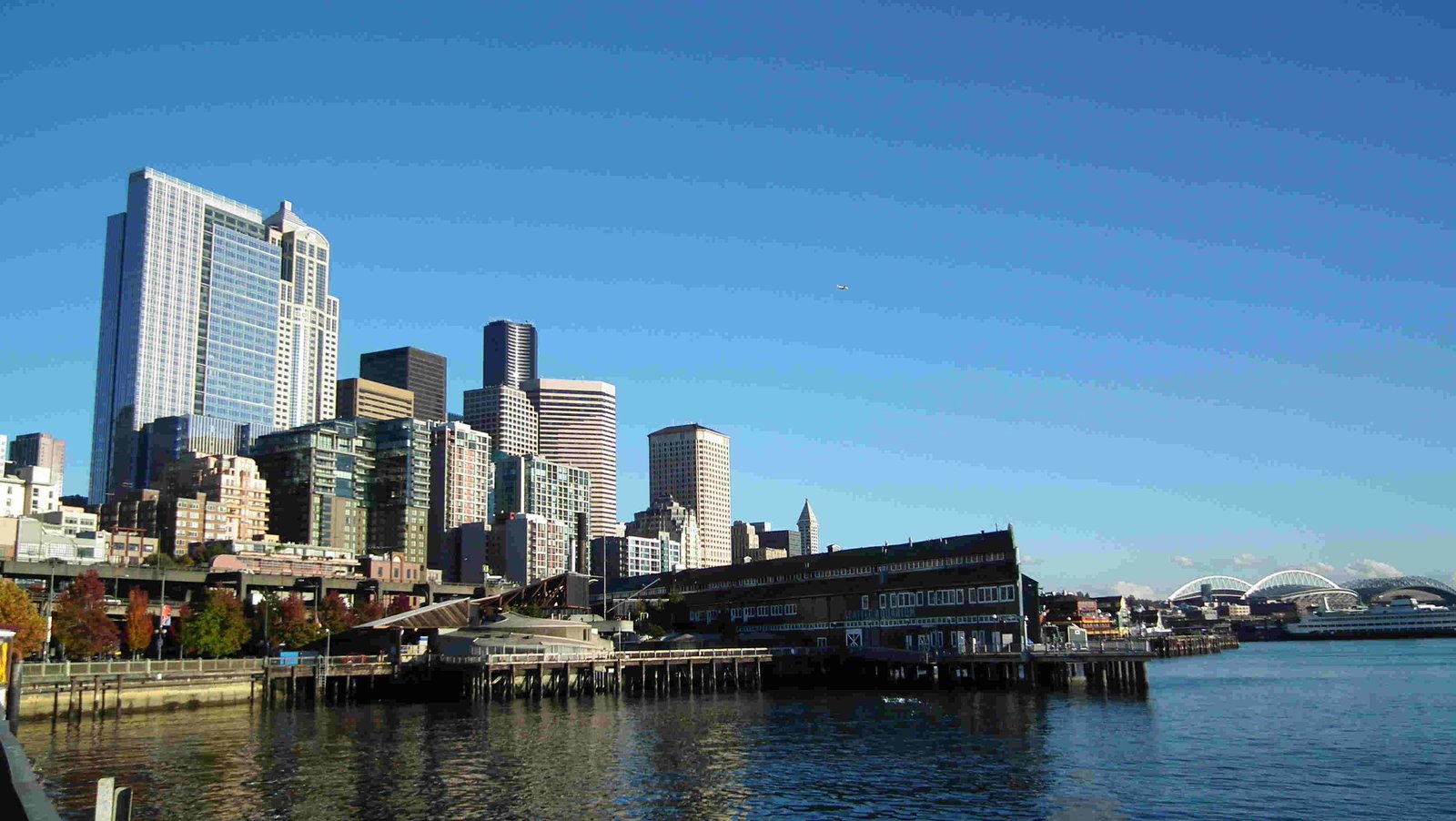
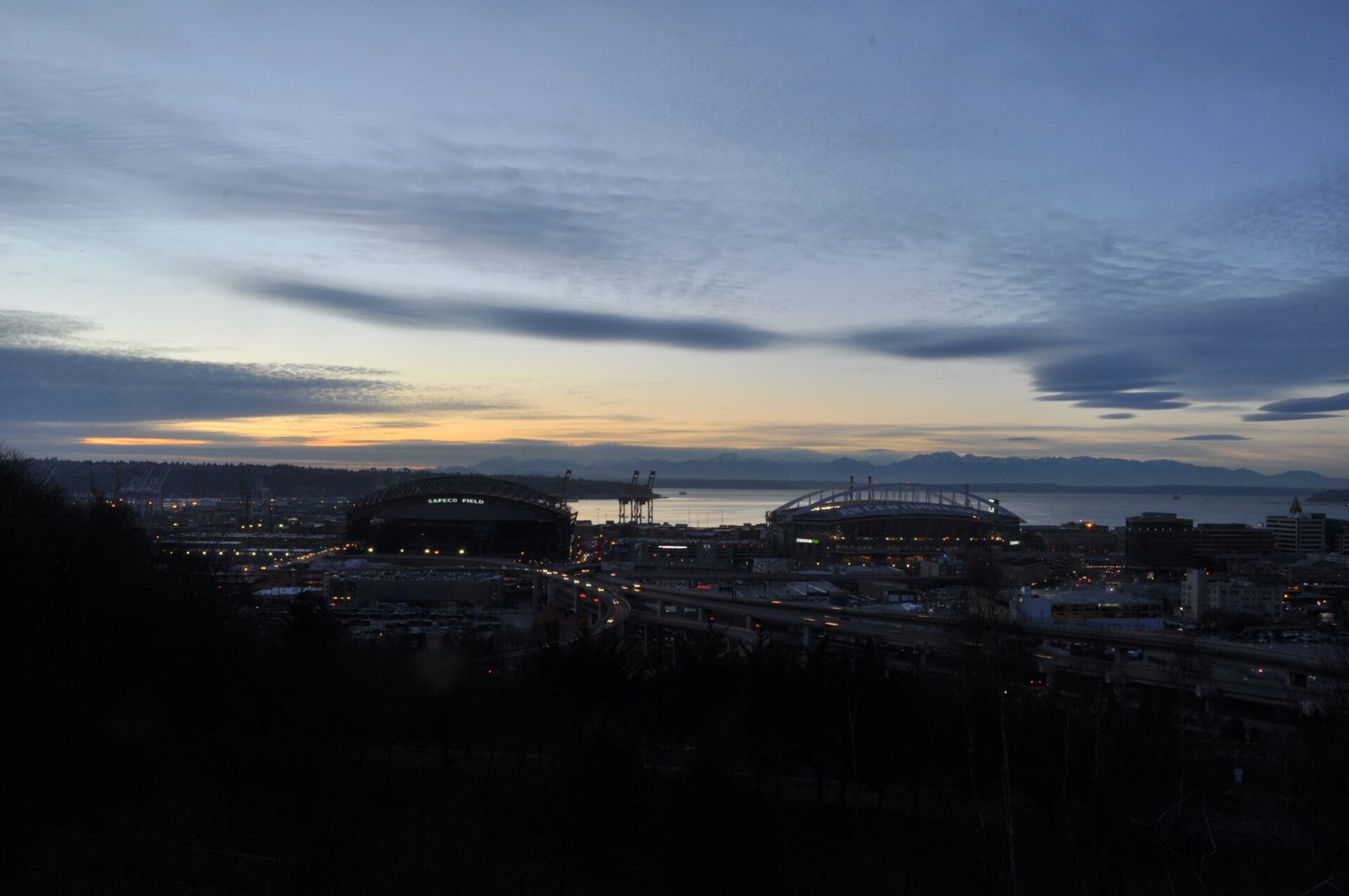
A separate controversy has nothing to do with Infantino directly and everything to do with how FIFA’s own World Cup draw interacted with a host city’s existing plans. Seattle’s local organizing committee had designated June 26 as a Pride celebration date months before FIFA finalized the match schedule, tying it to the city’s long running annual PrideFest tradition. When the draw placed Egypt against Iran in Group G, FIFA assigned that exact matchup to Seattle on that exact date, creating a Group G game between two countries that both impose severe penalties on same sex relationships landing directly on a celebration built around LGBTQ visibility.
{{MID_IMAGE}}
Both federations objected formally. Egypt’s football association sent FIFA a letter categorically rejecting any activities related to supporting homosexuality during the match, citing what it described as a contradiction with the cultural, religious and social values of the region. Iran Football Federation president Mehdi Taj called the scheduling unreasonable and illogical during a state television interview, confirming that a formal complaint had been sent to FIFA and that Iran intended to raise the issue at an upcoming FIFA Council meeting. In Iran, same sex sexual activity can be punished by death under the Islamic Penal Code, and Egypt’s morality laws allow for de facto criminalization of same sex relationships, giving both federations a starkly different starting point than the host city’s own civic tradition.
Seattle’s organizing committee has not backed down. A spokesperson said the city was moving forward as planned with community programming outside the stadium during Pride weekend, describing the Pacific Northwest as home to large Iranian American and Egyptian diaspora communities alongside the broader population the city was hosting for the tournament. The dispute remains unresolved heading into the actual match date, with Seattle continuing its public events while both federations maintain their formal objection on record with FIFA.
Extreme Heat Is Already Affecting How Teams Prepare
Beyond the governance disputes, a more physical controversy has been building for over a year. Scientists and players union officials have warned that this could be the hottest World Cup on record, with roughly half a dozen venues, including Dallas, Houston and Miami along with the Mexican host cities, considered especially prone to extreme heat during the tournament window.
Those warnings were not theoretical. At the Club World Cup held in the United States the previous summer, conditions reached the high 90s and low 100s Fahrenheit in multiple host cities, and several major clubs altered their own match day approach in response. One team kept its substitutes inside the locker room for the first half of a match rather than have them sit exposed on the bench in direct sunlight, while another coaching staff cut a training session short in Philadelphia as the city baked in temperatures above 37 degrees Celsius. A players union official representing the global players association described conditions during one match as horrendous, noting that the heat and humidity made it incredibly difficult to simply concentrate on the game.
FIFA’s response has been to mandate cooling breaks at the 22nd and 67th minute of every match regardless of conditions, and the published schedule shows a deliberate effort to assign daytime kickoffs to air conditioned, covered stadiums in cities like Dallas, Houston and Atlanta while routing higher risk outdoor venues toward evening kickoffs instead. Whether that scheduling strategy holds up across the full seven week tournament, particularly during the knockout rounds when fixture dates are less flexible, remains one of the more closely watched physical storylines of the competition.
Why These Controversies Matter Beyond the Headlines
Each of these disputes points to the same underlying tension. A 48 team, three country World Cup staged across wildly different climates, cultures and political relationships was never going to avoid friction, and FIFA’s own decisions, from who receives a peace prize to which cities host which matchups to how aggressively it schedules daytime games in hot climates, have repeatedly turned that friction into a public dispute rather than a quietly managed background issue.
Watch the Tournament From Wherever You Are
With this many storylines developing in real time across three countries, staying connected to live coverage and full match replays matters more than usual this tournament.
This post contains affiliate links. If you purchase through our links we may earn a small commission at no extra cost to you. See our affiliate disclosure.
If you are traveling between host countries or trying to access your home broadcaster’s coverage, a dependable VPN can keep your stream connected wherever you are. Check current NordVPN plans before the next round of matches kicks off.
Frequently Asked Questions
What is the ethics complaint against FIFA president Gianni Infantino?
The human rights group FairSquare filed a complaint with FIFA’s Ethics Committee accusing Infantino of repeatedly breaching FIFA’s duty of political neutrality, primarily through awarding President Trump the inaugural FIFA Peace Prize and publicly endorsing his political agenda. The Norwegian Football Federation formally backed the complaint in June 2026.
Could Infantino actually be banned from football over this complaint?
FIFA’s Code of Ethics allows for a ban from football related activity of up to two years for a confirmed breach of the neutrality requirement under Article 15. FIFA’s Ethics Committee has not commented on whether the case is being pursued, and no ruling has been announced as of this writing.
Why are Egypt and Iran objecting to their Seattle match?
FIFA scheduled the Egypt versus Iran Group G match in Seattle on June 26, the same date the city had already designated for Pride celebrations tied to its annual PrideFest tradition. Both federations sent formal complaints to FIFA, citing conflicts with their countries’ laws and cultural values around same sex relationships.
Is Seattle canceling its Pride celebrations because of the complaints?
No. Seattle’s local organizing committee has said it is moving forward as planned with Pride weekend programming outside the stadium, while both Egypt and Iran maintain their formal objections with FIFA. The dispute remains unresolved as the match date approaches.
How is FIFA handling extreme heat concerns at this World Cup?
FIFA has mandated cooling breaks at the 22nd and 67th minute of every match and has scheduled daytime kickoffs in air conditioned, covered stadiums such as those in Dallas, Houston and Atlanta, while assigning higher heat risk outdoor venues to evening kickoff times where possible.
Did heat actually disrupt matches before this World Cup started?
Yes. At the Club World Cup held in the United States the previous summer, multiple teams altered their match day routines because of extreme heat, including one club keeping substitutes off the bench during the first half and another cutting short a training session as temperatures exceeded 37 degrees Celsius in Philadelphia.
Has FIFA responded to the criticism over its political neutrality?
FIFA has not issued a detailed public response to the FairSquare complaint specifically, and its Ethics Committee does not comment on potential ongoing cases. Infantino has continued to publicly praise the Trump administration in subsequent appearances since the complaint was filed.