Why VAR Keeps Becoming the Story at the 2026 World Cup
VAR has already shaped the outcome of multiple matches in the first week of the 2026 World Cup, from three red cards in the Mexico vs South Africa opener to a delayed penalty review in France vs Senegal that left Kylian Mbappe on the ground for several minutes. The video assistant referee system is being used at a World Cup for the third time, but the scale of this tournament, 48 teams and 104 matches across three countries, has multiplied the number of contested calls fans see every single day.
This guide breaks down exactly what has happened so far, why FIFA’s offside technology has caused confusion, and what fans should expect from officiating for the rest of the tournament. None of this is speculation. Every incident below is tied to a confirmed match, a named official, or a FIFA statement.
The Opening Night Red Card Chaos
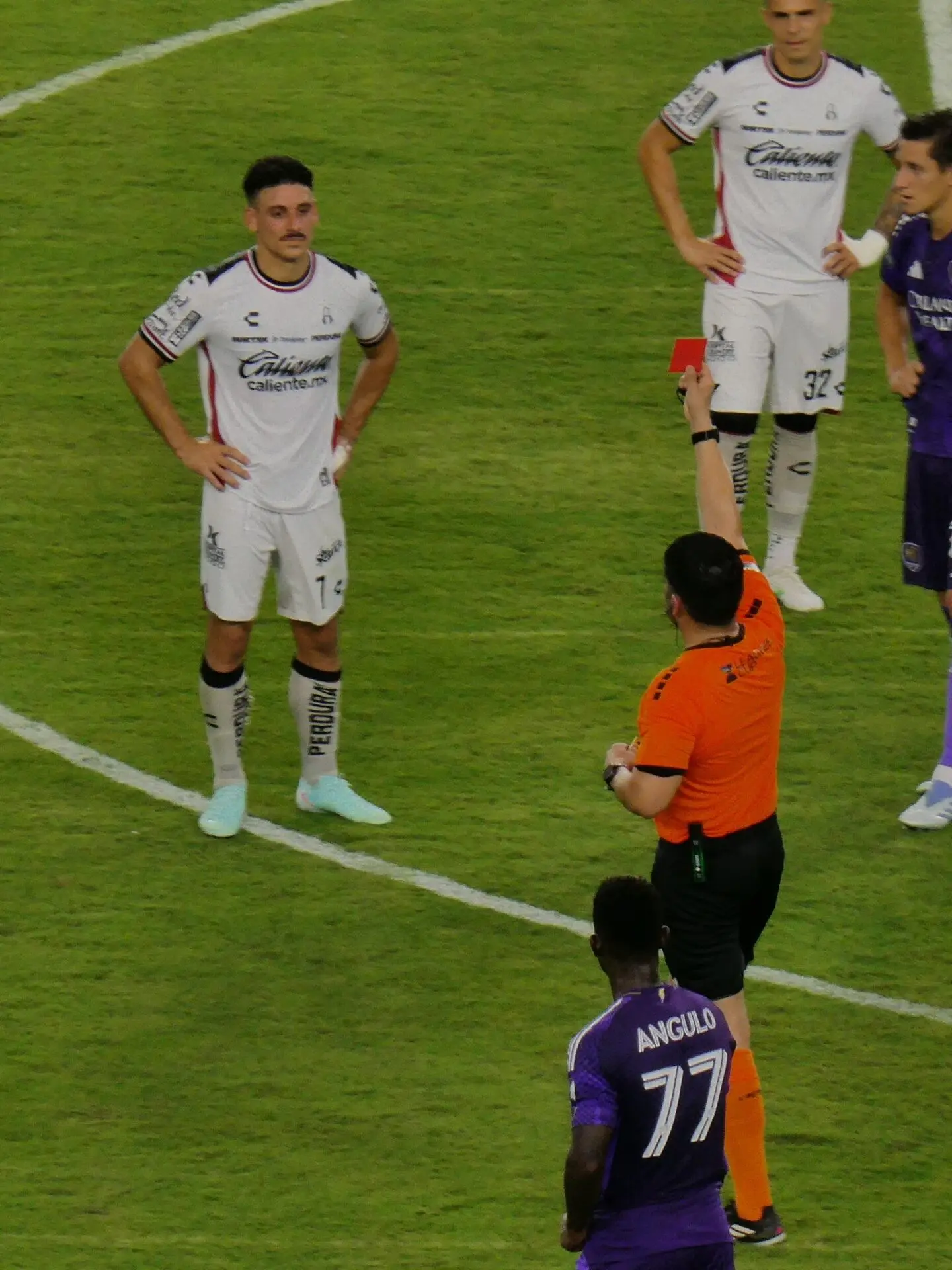
The tournament’s first match between Mexico and South Africa in Mexico City on June 11 produced three red cards, the most issued in a single World Cup match since the 2006 Battle of Nuremberg between Portugal and the Netherlands. Referee Wilton Sampaio of Brazil sent off South Africa’s Sphephelo Sithole and Themba Zwane along with Mexico’s Cesar Montes. The second red card to South Africa only came after Sampaio walked to the pitchside monitor and reviewed the incident himself, a process that took several minutes while both sets of fans waited inside Estadio Azteca.
At the 2022 World Cup in Qatar, only four red cards were shown across the entire tournament. Seeing three in one match immediately set the tone for how central officiating decisions would become to the conversation around this World Cup.
The VAR Room Gesture Controversy in Houston
During Germany’s match against Curacao in Houston, television cameras cut to the video assistant referee room and caught Australian official Shaun Evans appearing to make a hand gesture that anti discrimination campaigners say resembles a symbol linked to white nationalist movements. The clip spread quickly online, and FIFA faced pressure to explain what fans had seen on a global broadcast.
The incident landed on top of a tournament already dealing with visa disputes and ticketing complaints, and it became one more example of how a single camera angle inside a VAR booth can turn into an international story within hours. FIFA has not announced disciplinary action against Evans, who remains part of the officiating team named for the tournament.
The Technology Glitch in Qatar vs Switzerland
During the Qatar vs Switzerland match in the San Francisco Bay Area, FIFA’s semi automatic offside technology failed to generate its usual animation graphic before a penalty was awarded to Switzerland in the 14th minute. FIFA uses sensors that send an audio alert to assistant referees when a player is offside by more than 10 centimeters. In this case the margin fell below that threshold, which meant officials needed a manual review instead of an instant automated call.
Because the offside image is normally generated within seconds, fans and commentators expected to see it immediately. When it did not appear for several hours, frustration grew. Former England player turned broadcaster Gary Neville called the delay “like a dictatorship” on live television. FIFA later confirmed the cause was a brief technical outage, not an error in the underlying offside calculation.
{{MID_IMAGE}}
How VAR Actually Works at This World Cup
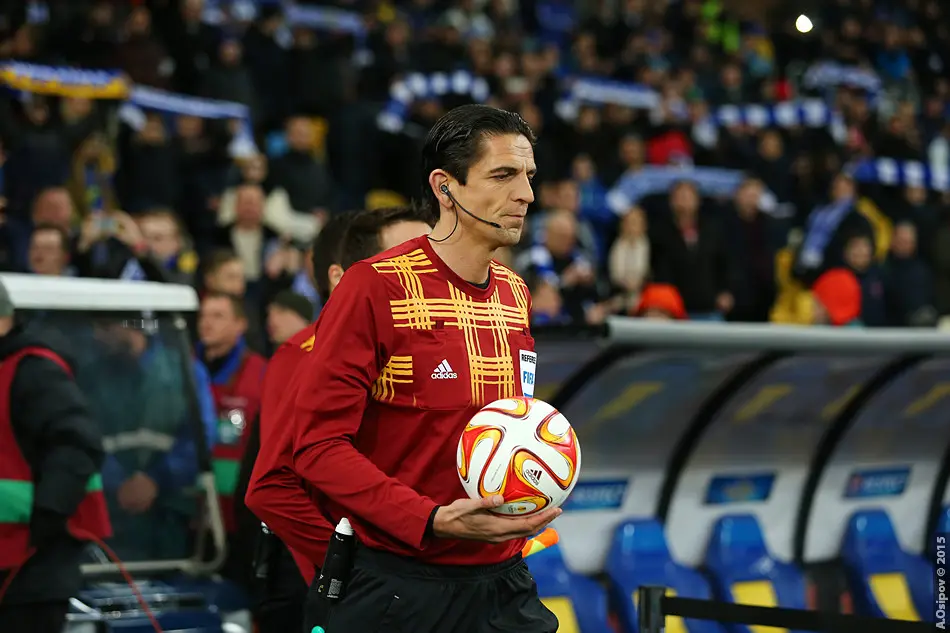
A separate team of officials watches every match from a video operation room, either inside the stadium or at a centralized facility, using multiple camera angles and slow motion replays. Their job is not to referee the match remotely. They are advisers who alert the on field referee only when they believe a clear and obvious error may have occurred. The final decision always belongs to the referee on the pitch, who can choose to review the replay themselves at the sideline monitor before making a final call.
FIFA named 52 referees, 88 assistant referees, and 30 video assistant referees for this tournament on April 9, 2026. One change came on May 15 when Willy Delajod of France was added as a replacement for Dutch VAR Rob Dieperink, who was dropped after his arrest in England weeks before the tournament began.
What This Means If You Are Watching Matches
Expect review delays, particularly on close offside calls and penalty decisions. A check that looks instant on social media clips is rarely instant in the stadium. Broadcasters in different countries also handle the delay differently. Some cut away to studio analysis while officials review the monitor, while others hold on a static shot of the stadium, which can make the wait feel even longer for viewers at home. If you are watching from home and want to follow officiating decisions in real time without regional broadcast restrictions or blackouts, a reliable VPN service makes it easier to access the feed of your choice and see replays as they are shown internationally rather than waiting for delayed local coverage.
It is also worth setting expectations correctly going into the knockout rounds. Historically, the closer a tournament gets to its final stages, the more cautious referees become with card decisions and the more frequently VAR is used, since the cost of a wrong call rises with every stage. Fans who found the opening week’s red card numbers unusual should expect officiating scrutiny to increase rather than decrease as the group stage gives way to the round of 16 and beyond.
This post contains affiliate links. If you purchase through our links we may earn a small commission at no extra cost to you. See our affiliate disclosure. NordVPN is one option many fans use to follow international match feeds. Visit NordVPN to compare plans before kickoff.
Frequently Asked Questions
Why did three players get sent off in the World Cup opener?
Referee Wilton Sampaio issued red cards to South Africa’s Sphephelo Sithole and Themba Zwane and Mexico’s Cesar Montes during the June 11 opening match in Mexico City. The second South African red card followed a pitchside monitor review, which is standard VAR protocol for serious incidents the referee wants to confirm before issuing a card.
What was the referee gesture controversy about?
During the Germany vs Curacao match in Houston, VAR official Shaun Evans was filmed appearing to make a hand gesture that anti discrimination groups linked to white nationalist symbolism. The clip went viral and added to a string of off field controversies surrounding the tournament’s opening week.
Why did the offside review take so long in Qatar vs Switzerland?
FIFA’s semi automatic offside technology relies on sensors that normally generate an animated graphic within seconds. A brief technical outage during that match meant officials had to complete a manual review instead, which delayed the penalty decision and frustrated fans watching the broadcast.
Does the video assistant referee make the final decision?
No. The VAR team can only recommend a review to the on field referee when they believe a clear and obvious error occurred. The referee retains full authority and can view the replay on the pitchside monitor before making the final call themselves.
How many officials are working this World Cup?
FIFA named 52 referees, 88 assistant referees, and 30 video assistant referees on April 9, 2026. One replacement was made in May when Willy Delajod of France stepped in for a Dutch VAR official who was dropped from the tournament following an arrest.
Has VAR caused more controversy at this World Cup than in 2022?
The early numbers suggest yes. Qatar 2022 produced only four red cards across the entire tournament, while the 2026 opening match alone produced three. The larger 48 team format and the higher number of total matches mean more contested decisions are happening within the same opening days compared to previous tournaments.