World Cup 2026 Stadium Access and Transit Chaos: What Is Actually Happening
Getting to a World Cup 2026 stadium has turned into one of the tournament’s biggest complaints, with gridlock, stranded fans and mile long walks reported at the very first matches in New York and New Jersey, and transportation experts warning that several other host cities are even less prepared to absorb the crowds. This is not a single bad night. It is a structural problem tied to how spread out and car dependent many World Cup host cities already are.
Here is what has happened so far at the stadiums where matches have already been played, and what to expect if you still have tickets for a match in the weeks ahead.
The MetLife Stadium Opener Set the Tone
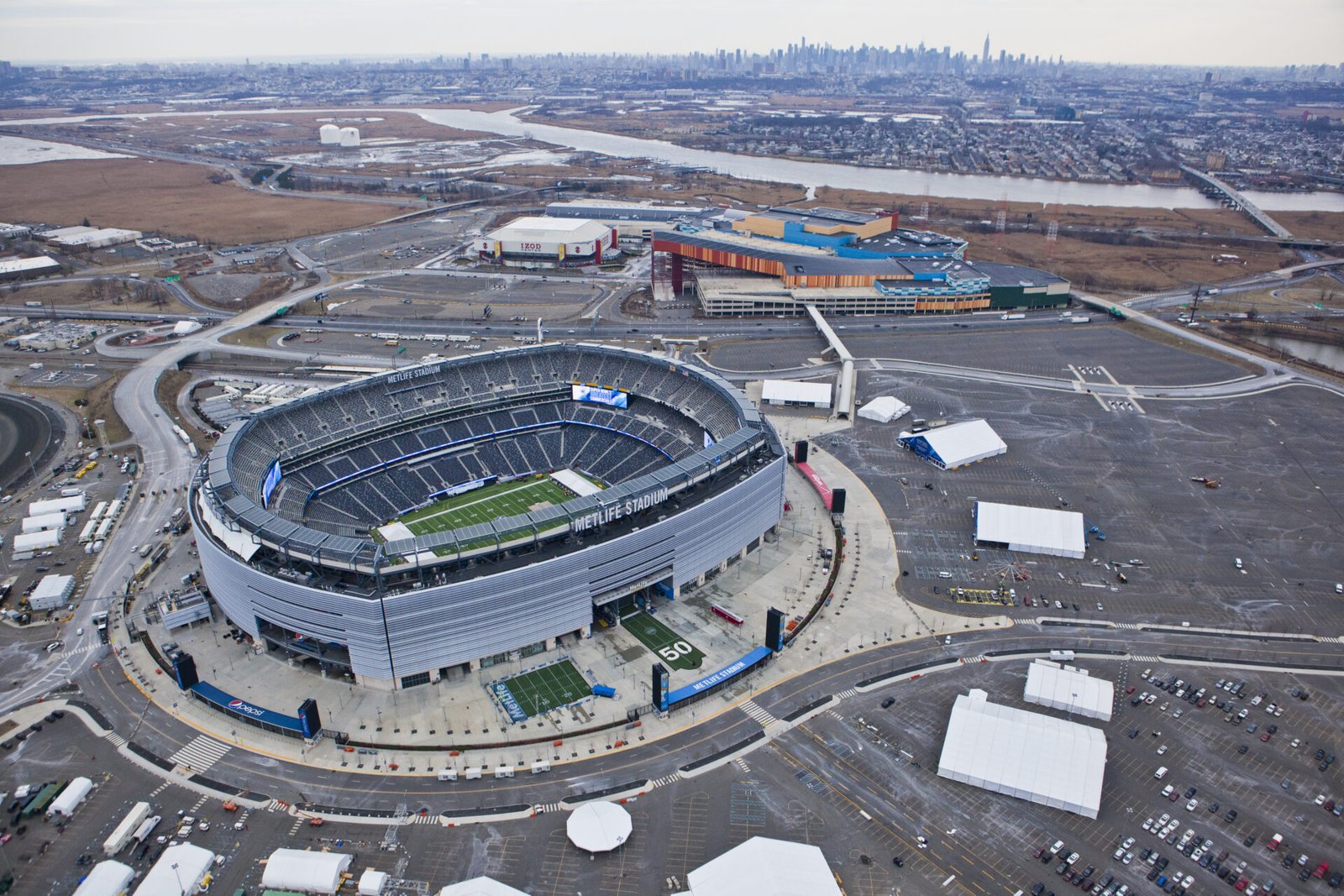
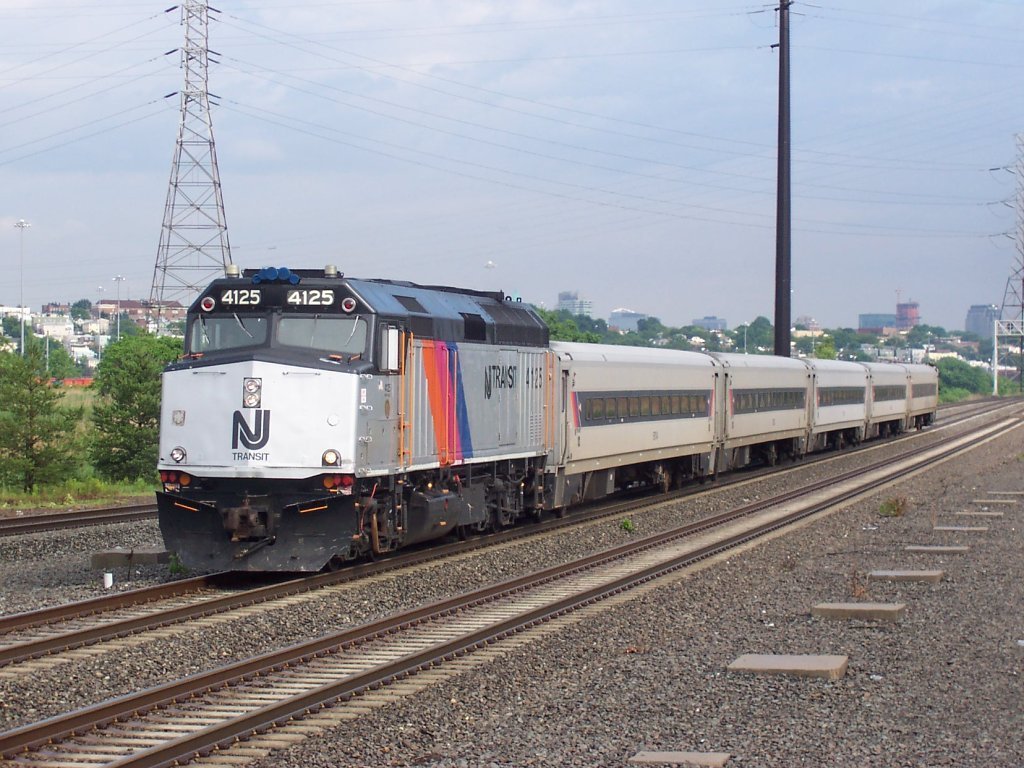
The opening regional match at MetLife Stadium, officially renamed New York New Jersey Stadium for the tournament, brought more than 80,000 fans into the Meadowlands on June 13. NJ Transit publicly declared the operation a success, posting that it had moved 21,578 fans from the stadium via bus and rail within 90 minutes. That statement was accurate as far as it went, but it left out a large part of what fans actually experienced that day.
Bumper to bumper traffic forced hundreds of spectators and volunteers to abandon their cars and walk a mile or more in 87 degree heat just to reach the stadium on time. One fan who had traveled from Sao Paulo described calling a ride to the nearby American Dream Mall, a trip that should have taken ten minutes without traffic, and instead spending 20 minutes sitting in the car before getting out and walking the rest of the way. A tournament volunteer from Bergen County had to be dropped off by a parent once they crossed onto the grounds of the stadium itself, since no other option got them there on time. Rideshare apps could not handle the surge either, leaving even fans who planned ahead stuck in the same gridlock as everyone else.
Local and federal officials had warned about exactly this risk before the tournament began. New Jersey Congressman Frank Pallone specifically cautioned that weeks of service disruptions on the Northeast Corridor, one of the busiest rail networks in the country, could create what he called another summer of hell for fans and commuters alike, a reference to the chronic delays the region experienced in past years. Persistent issues including power failures, repair backlogs and a recent tunnel fire had already raised doubts about whether the existing infrastructure could handle a tournament of this scale even before the first match was played.
{{MID_IMAGE}}
A Second Match, A Similar Problem
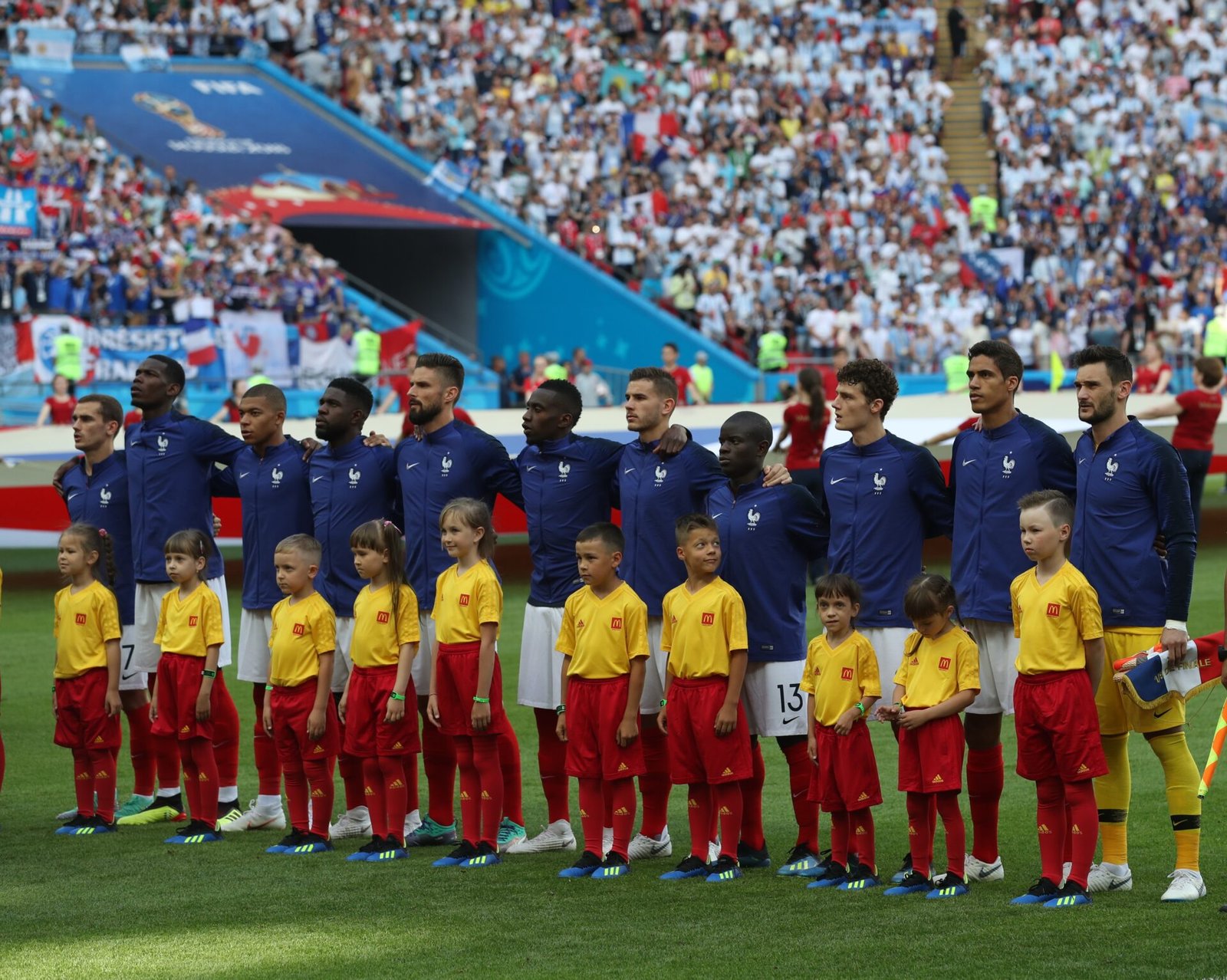
The pattern repeated days later when France played Senegal at the same stadium. City officials declared a Gridlock Alert Day for New York, warning fans and local commuters alike not to drive in Midtown Manhattan. Streets around Penn Station were closed off for hours, with NJ Transit reserving service for ticket holders during peak windows and asking non ticket holders to find an alternate route entirely. The evening rush hour coincided directly with the end of the match, compounding congestion across the region rather than spreading it out.
NJ Transit did show improvement on raw throughput, moving 26,000 people from the stadium in approximately 70 minutes during this second test, an operation officials described as having passed with flying colors. Commuters interviewed at Penn Station the same morning said they expected crowded conditions later in the day, with some cautiously optimistic given how the first match had gone. The bigger structural issue, though, has nothing to do with whether NJ Transit can move large numbers of people once they reach the station. It is that thousands of out of town visitors do not realize MetLife Stadium itself is in New Jersey rather than New York City, and many discover only on arrival that reaching it requires a separate train transfer most first time visitors never accounted for in their planning.
Why Other Host Cities Are Watching Nervously
New York and New Jersey have one of the most developed rail networks of any World Cup host region, which makes the early stumbles there a warning sign for cities with far less transit infrastructure to rely on. Transportation researchers have specifically flagged Dallas, Houston and Kansas City as car dependent metros with less margin for error, meaning the traffic around AT&T Stadium in Arlington, NRG Stadium in Houston and Arrowhead Stadium in Kansas City is expected to hit harder than in transit rich markets like Atlanta or Seattle.
Arlington, where AT&T Stadium sits, does not have a public transit system of its own, a fact that complicated planning for years before the tournament even arrived. The solution local organizers settled on requires fans to take a regional commuter train to CentrePort Station near Dallas Fort Worth International Airport, then board a connecting bus for the final leg to the stadium, followed by a half mile walk to the entrance once they arrive. Fans are explicitly told they cannot simply be dropped off at the stadium for a match, a restriction that catches many first time visitors off guard. Local residents have been asked to work from home on match days or limit their own driving entirely just to free up road and transit capacity for international visitors who often have no other way to reach the stadium.
Cities with stronger existing infrastructure have tried to get ahead of the problem. Atlanta redesigned parts of its bus network and launched a new rapid transit line specifically before the tournament. Los Angeles County opened a new subway extension, and Seattle completed the final segment of a light rail line that now reaches its downtown stadium directly. Even with those upgrades, transportation officials across nearly every host city have settled on the same working assumption for fans this summer, which is to plan around public transit rather than driving and to build significant extra time into any trip to or from a match.
What This Means for Your Own Match Day
If you have tickets to an upcoming match, the lesson from New York and New Jersey applies almost everywhere else on the schedule. Do not assume a short rideshare trip will stay short once tens of thousands of fans converge on the same roads at the same time, and do not assume your hotel’s proximity to a stadium on a map translates into an easy walk once security perimeters and road closures are in place. Build in at least 90 to 120 minutes before kickoff, confirm exactly which train or shuttle connection your specific stadium requires, and have a backup plan in mind in case rideshare demand spikes beyond what the local network can absorb.
Book Accommodation Close to Your Transit Option, Not Just the Stadium
Given how many fans have been caught out by transit and walking distances that looked simple on a map, where you stay matters as much as which match you are attending.
This post contains affiliate links. If you purchase through our links we may earn a small commission at no extra cost to you. See our affiliate disclosure.
Booking a hotel near a confirmed transit hub rather than simply near the stadium itself can save you hours of frustration on match day. Compare hotel options near major transit hubs on Booking.com or check availability on Hotels.com before you finalize your trip.
Frequently Asked Questions
Why were fans stranded after the first MetLife Stadium World Cup match?
Bumper to bumper traffic and overwhelmed rideshare apps forced hundreds of fans and volunteers to abandon their vehicles and walk a mile or more in extreme heat to reach the stadium, even though NJ Transit’s own rail and bus operation successfully moved over 21,000 people in 90 minutes after the match.
Is MetLife Stadium actually in New York City?
No. MetLife Stadium, renamed New York New Jersey Stadium for the tournament, is located in East Rutherford, New Jersey, in the Meadowlands. Many visiting fans do not realize this and are caught off guard by the additional train transfer required to reach it from Manhattan.
Which World Cup host cities have the worst transit access to their stadiums?
Transportation researchers have specifically flagged Dallas, Houston and Kansas City as car dependent metros with limited transit capacity. Arlington, home to AT&T Stadium, has no public transit system of its own, requiring fans to combine a commuter train, a connecting bus and a half mile walk to reach the stadium.
Can I get dropped off directly at AT&T Stadium for a match?
No. Local organizers have explicitly stated that fans cannot be dropped off at the stadium for World Cup matches. The required route involves a train to CentrePort Station followed by a shuttle bus and a walk to the entrance.
How early should I arrive at a World Cup stadium?
Plan to arrive at least 90 to 120 minutes before kickoff given road closures, security checkpoints and heavy congestion expected around every stadium on match days. This applies even if your hotel appears close to the venue on a map.
Are any host cities better prepared for World Cup crowds?
Atlanta, Los Angeles and Seattle have all made specific transit upgrades ahead of the tournament, including a new bus rapid transit line in Atlanta, a subway extension in Los Angeles and a completed light rail connection to the stadium in Seattle, putting them in a stronger position than car dependent host cities.
Should I drive to a World Cup match if I have a rental car?
Most host committees are actively discouraging driving to stadiums, citing road closures, limited parking and traffic that overwhelms even rideshare apps on match days. Public transit, where available, is consistently recommended as the more reliable option even when it requires extra connections.