World Cup 2026 Visa and Entry Denial Controversy Explained
Dozens of World Cup 2026 ticket holders, team staff and even a match referee have been denied entry to the United States in the weeks surrounding the tournament, despite holding valid visas, ESTA approvals or FIFA accreditation. The cases span a Somali referee turned away in Miami, an Iraqi team photographer held for hours in Chicago, and Scottish fans whose previously approved travel authorizations were revoked days before kickoff.
This is not a single isolated incident. It is a pattern that has played out across multiple countries and multiple categories of World Cup traveler, and it is directly tied to United States immigration policy under the current administration.
A Somali Referee Denied Entry to Officiate His First World Cup
Omar Abdulkadir Artan, a 34 year old Somali official named the Confederation of African Football’s Best Male Referee for 2025, was set to become the first Somali referee in World Cup history. Instead his tournament ended at Miami International Airport, where United States Customs and Border Protection determined he was inadmissible due to what officials described as vetting concerns, despite Artan holding a valid US visa and being listed among FIFA’s official roster of 52 World Cup referees.
Somalia sits on the current United States travel ban list, and Artan was flown back to Istanbul rather than allowed to continue to his assignment. FIFA confirmed in a statement that Artan would be unable to train or officiate at the tournament following the denial. A FIFA representative later said his visa issues had been fully resolved, though by that point the World Cup had already moved on without him. Professor Jules Boykoff, author of a book examining the politics surrounding this World Cup, described the situation as a paradox: a tournament built around inclusion and global participation running directly into immigration policies that excluded some of its own officials before a single one of their matches kicked off.
Iraq’s Team Staff Held and Questioned at the Border
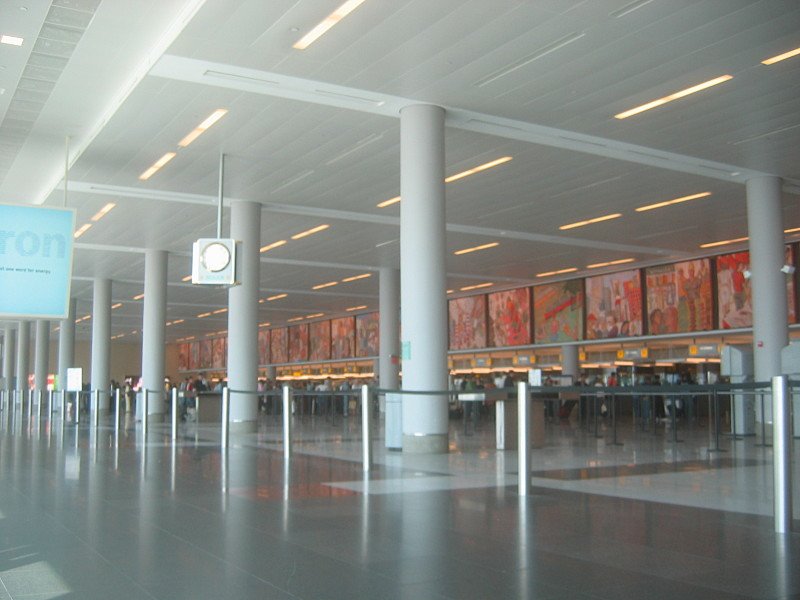
Iraq’s national team experienced its own entry problems on arrival in the United States. The team’s photographer, Talal Salah, was denied entry after being held for more than ten hours at Chicago’s O’Hare International Airport, with his phone inspected before he was ultimately turned away. Iraq’s key striker, Aymen Hussein, was separately questioned for nearly seven hours at the same airport and had his own phone searched before he was permitted to enter the country.
These incidents happened to playing and supporting members of a team that had already secured its place in the tournament through normal qualification, underscoring that valid accreditation and a legitimate reason for travel did not guarantee a smooth border experience for delegations from certain countries.
{{MID_IMAGE}}
Iran’s Restricted Travel Arrangement
Iran’s situation has been treated differently from other affected countries because of the broader diplomatic relationship between Washington and Tehran. Iran’s players were granted visas only ten days before their first match, and the team has been operating under a tightly restricted travel plan, entering the United States the day before each of its matches and returning afterward to a base across the border in Tijuana, Mexico, rather than remaining in the US between games. President Trump had previously said he did not consider it appropriate for the Iranian team to stay in the United States, citing what he described as concerns for their own safety.
Iran had already clashed with the tournament’s organizing process months earlier, boycotting the official World Cup draw in Washington after the United States denied visas to several members of its delegation, including federation president Mehdi Taj. The administration’s travel ban announced earlier had named twelve countries for full denial of entry, including Iran and Haiti, with a stated exception for athletes, coaches and support staff traveling specifically for major sporting events such as the World Cup. Whether that exception extended to delegation members attending the draw itself, rather than the tournament, became a point of dispute that was never fully resolved before Iran chose to stay home from the draw entirely.
Scottish Fans Lost Travel Authorization Days Before Kickoff
The visa problems have not been limited to countries on formal travel ban or restriction lists. Scotland qualified for its first World Cup since 1998, and a number of Scottish fans who had already booked flights, hotels and match tickets found their Electronic System for Travel Authorization status changed without warning in the days immediately before departure, shifting from approved to pending and finally to travel not authorized.
Michael Wright, a Scottish fan preparing to fly from England, had his ESTA revoked roughly one hour before his scheduled takeoff from Manchester Airport. Scott Braid, an engineer from Kirkcaldy who was due to fly to Boston with his wife and two children to watch Scotland face Haiti, saw his status flip from approved to pending and then to not authorized within hours, despite having applied months earlier and received quick approval. Kenny Smith, a business owner from Inverness whose ESTA had reportedly been valid until 2027, had his authorization pulled with no explanation given, forcing him into an urgent and expensive visa application process with only days to spare.
Scotland’s First Minister John Swinney addressed the issue directly in the Scottish Parliament, saying he was aware the United States Embassy had advised affected individuals that they could apply for a visa through the FIFA PASS system and confirming his office had reached out to the United States Consul General in Scotland to try to resolve the situation before Scotland’s opening match against Haiti in Boston. The White House had separately announced plans to incorporate social media screening into the travel authorization process, and some affected fans have speculated that this expanded screening, rather than any change in their own circumstances, triggered the sudden revocations.
What This Means If You Are Still Planning to Travel
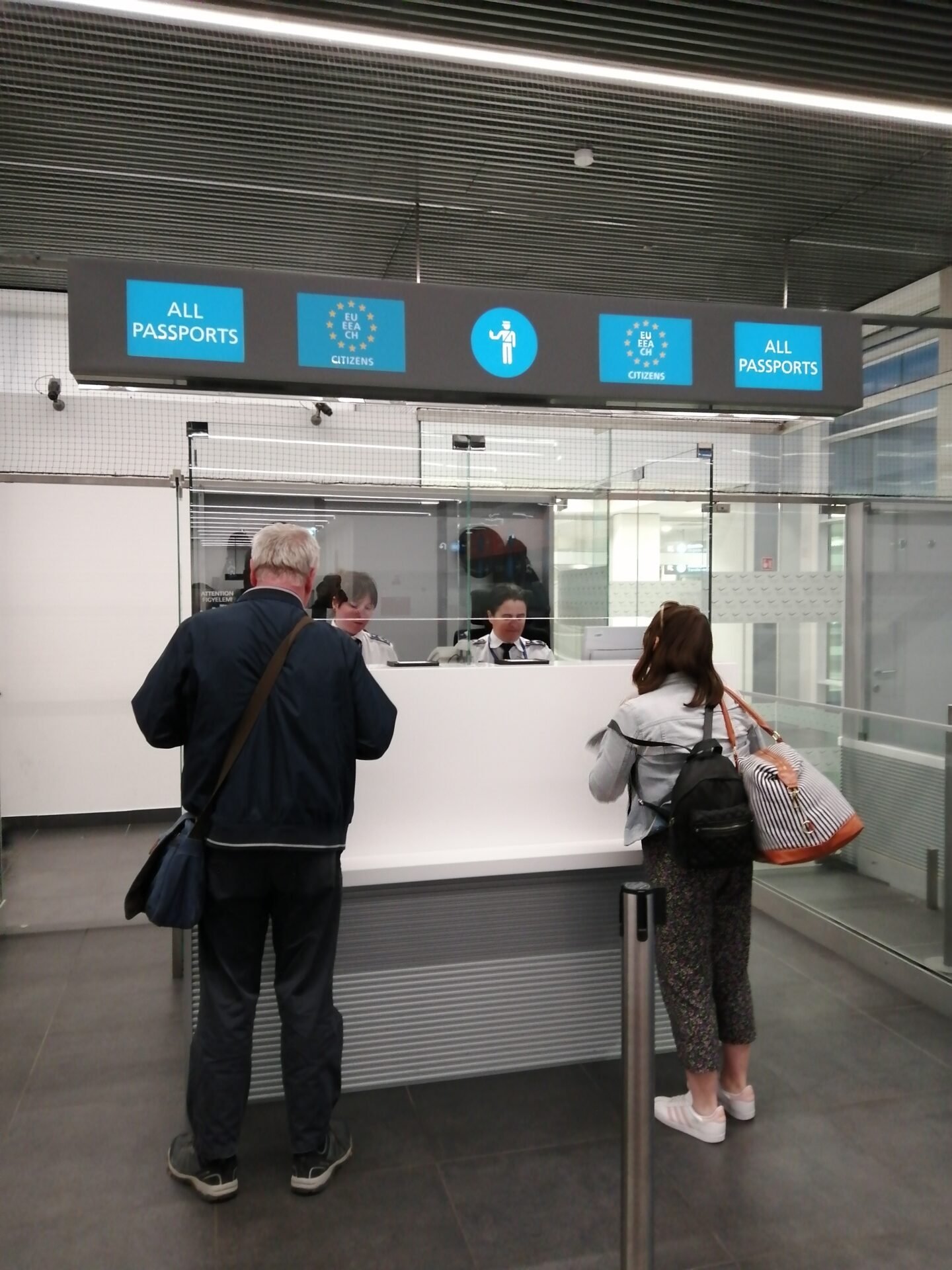
An approved ESTA or an issued visa is necessary but it is not, on its own, a guarantee of entry. United States Customs and Border Protection retains final discretion at the port of entry regardless of what was approved in advance, and recent cases show that approval can be revoked with little or no notice even for people with a long travel history to the country on the same authorization. If you have any uncertainty about your status, checking it regularly in the days before departure and having a backup plan, including knowledge of how to request an expedited visa appointment through your country’s US embassy, is no longer optional for anyone traveling from an affected country or category.
Protect Your Trip Against the Unexpected
Given how unpredictable entry decisions have proven to be this tournament, travel insurance that covers trip cancellation and interruption is worth serious consideration if you have already committed money to flights, hotels or hospitality packages.
This post contains affiliate links. If you purchase through our links we may earn a small commission at no extra cost to you. See our affiliate disclosure.
World Nomads offers travel insurance plans that can cover certain trip interruption scenarios for international travelers. Check World Nomads coverage options before your trip, particularly if your visa or ESTA status has changed at any point during the approval process.
Frequently Asked Questions
Why was a World Cup referee denied entry to the United States?
Somali referee Omar Artan was denied entry at Miami International Airport due to what US Customs and Border Protection described as vetting concerns, even though he held a valid US visa and was on FIFA’s official list of World Cup referees. Somalia is currently on the United States travel ban list, which appears to have been a factor despite his individual visa approval.
Can a valid visa or ESTA still be revoked before I travel to the World Cup?
Yes. Multiple Scottish fans reported their previously approved ESTA status changing to pending or travel not authorized in the days or even hours before their scheduled flights, despite no apparent change in their personal circumstances. United States authorities have not been required to provide a specific reason for these revocations.
Why is Iran’s team not staying in the United States between matches?
Iran’s national team has been entering the United States the day before each match and returning to a base in Tijuana, Mexico, afterward, rather than remaining in the US for the duration of the group stage. This arrangement followed comments from President Trump questioning whether it was appropriate for the team to stay in the country.
What is the FIFA PASS system and does it guarantee a visa?
FIFA PASS is a priority scheduling system for ticket holders who applied for a B1 or B2 visa after purchasing tickets directly through FIFA, allowing access to earlier interview slots at ustraveldocs.com. It does not guarantee visa approval. It only provides faster access to the interview stage of the standard process.
Are these entry denials only affecting countries on the formal travel ban list?
No. While Somalia and Iran are both subject to formal United States travel restrictions, Scottish fans, who come from a Visa Waiver Program country with no such restrictions, have also reported sudden ESTA revocations, suggesting the issue extends beyond the published list of restricted nations.
What should I do if my ESTA status changes before I travel?
Apply for a visa appointment as soon as possible, since an ESTA denial or revocation typically requires moving to the standard visa application process. Contact your country’s US embassy directly, since several governments, including Scotland’s First Minister, have intervened to request expedited appointments for affected World Cup travelers.
Has FIFA commented on these entry denial cases?
FIFA has generally distanced itself from individual immigration decisions, stating that it is not involved in host country visa adjudications and that those decisions rest with national authorities. FIFA did confirm Omar Artan’s inability to officiate following his denial of entry and has pointed affected ticket holders toward the FIFA PASS priority scheduling system as one available resource.