FIFA World Cup 2026 Referee and VAR Controversies Explained
The 2026 FIFA World Cup expanded VAR’s powers for the first time, giving video assistant referees the ability to intervene on second yellow cards and corner kick decisions. Within the opening week, those expanded powers were already at the center of multiple disputes, including a contested offside call in Switzerland’s opener and a viral accusation that an Australian video assistant referee had made a hate symbol on camera.
This guide walks through what actually happened in each major incident, what FIFA changed about VAR for this tournament, and why referees have already become one of the most talked about storylines of the competition.
VAR Has More Power Than Ever at This World Cup
Before the tournament started, FIFA confirmed it was expanding VAR’s authority beyond its original mandate of correcting clear and obvious errors on goals, penalties, red cards and mistaken identity. For 2026, VAR officials can now intervene when a second yellow card has been incorrectly awarded and can weigh in on corner kick decisions, both new additions pushed through by the International Football Association Board.
Not everyone in football welcomed the change. England’s Football Association chief executive Mark Bullingham, who sits on the IFAB board, publicly opposed extending VAR’s remit further, arguing there was no real need for it. Critics across European leagues had already complained for years about time delays and decisions that seemed to contradict what fans could see live on broadcast, and expanding VAR’s scope just before the biggest tournament in the sport’s history added pressure rather than reducing it.
The Switzerland vs Qatar Offside Controversy
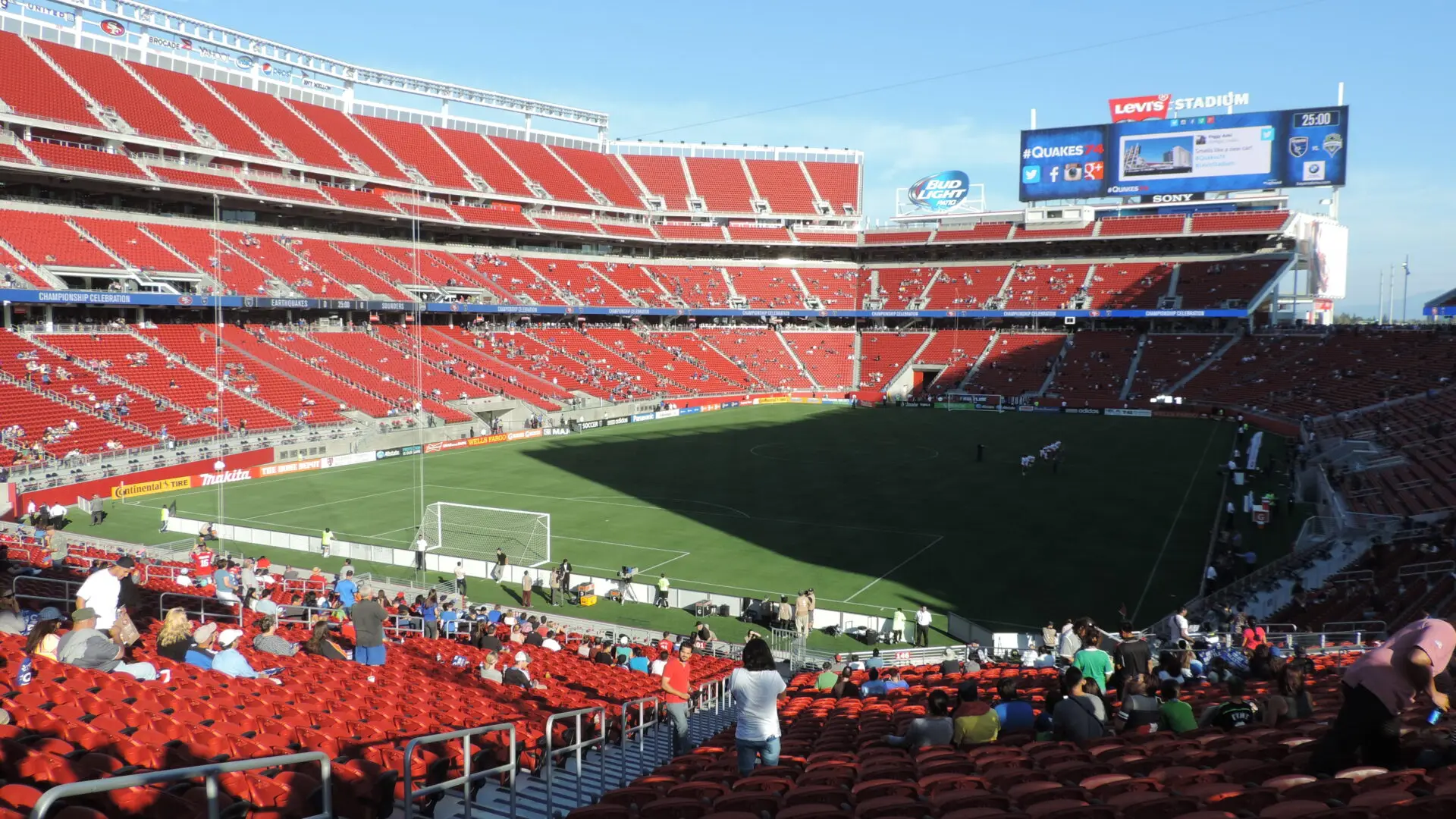
One of the clearest examples of how VAR can still frustrate fans came in Switzerland’s opening match against Qatar at the stadium in Santa Clara, California. Switzerland was awarded a penalty after midfielder Remo Freuler was brought down in the box by Qatari goalkeeper Mahmud Abunada, a decision referee Said Martinez had little trouble making. Breel Embolo converted the penalty for Switzerland’s opening goal of the tournament.
The real controversy came from what was not reviewed rather than what was. Replay angles suggested Freuler may have been in an offside position before the ball reached him, a situation close enough that it looked offside to the naked eye on the broadcast feed. Despite FIFA’s semi automated offside technology being available specifically to catch borderline calls like this one, the offside question was not given the same level of scrutiny as the penalty decision itself, leaving commentators and fans confused about why one part of the sequence received full VAR treatment while the other did not. Switzerland went on to draw the match one goal apiece after Qatar leveled through a Miro Muheim own goal deep in second half stoppage time, meaning the disputed sequence directly affected the final result.
{{MID_IMAGE}}
The Australian Referee Accused of a Hate Symbol Gesture
The most explosive refereeing controversy of the opening week did not involve a contested call at all. During the broadcast cut to the video operation room before Germany’s seven to one win over Curacao, cameras caught Australian official Shaun Evans, who was working as a support video assistant referee for the match, appearing to form a circle with his thumb and index finger while extending his other three fingers outward.
That gesture, an upside down version of the common okay sign, has been adopted by some far right groups as a coded symbol, and the organization known as the Anti Defamation League formally added it to its list of hate symbols in 2019. Clips of Evans making the gesture spread rapidly online, with the anti discrimination monitoring group Fare accusing him of intentionally transmitting what it called a far right neo Nazi symbol and calling on FIFA to intervene immediately.
Evans denied any intended meaning once the backlash reached him. He stated publicly that he did not intentionally make a hand gesture or symbol to communicate any message, affiliation, game or belief. FIFA’s independent Disciplinary Committee opened an investigation and, after reviewing the matter, found no evidence of a breach of the FIFA Disciplinary Code, while noting Evans’s own statement on the record. FIFA cleared him to continue working at the tournament, though the episode reignited a long running debate about how easily ambiguous hand gestures can be read as coded messages on a broadcast watched by hundreds of millions of people.
Red Cards and a Chaotic Opening Match
Referees were already under scrutiny before the Evans controversy because of what happened in the tournament opener itself. Mexico’s home match against South Africa in Mexico City produced three red cards, the most shown in any World Cup match since 2006, when four players were sent off in a game that became known as the Battle of Nuremberg.
South Africa’s Sphephelo Sithole was given a straight red card for denying a clear goalscoring opportunity after bringing down Brian Gutierrez near the edge of the penalty area. Later in the match, referee Wilton Sampaio initially showed Themba Zwane a yellow card for an off the ball incident with Mexico’s Roberto Alvarado, then upgraded it to a red card for violent conduct after a VAR review prompted him to check the pitchside monitor. Mexico’s Cesar Montes also picked up a red card before the final whistle. Under FIFA’s disciplinary rules, each of those players faced an automatic one match suspension, with the South African pair ruled out of a must win second group match against Czechia and Montes missing Mexico’s game against South Korea.
The pattern continued into other group matches, with VAR reviews becoming a near constant feature of broadcast coverage as officials worked through the expanded protocol for the first time on this stage. ESPN’s own match by match VAR review coverage noted incidents ranging from disputed penalty calls between France and Senegal to mistaken identity card reversals in the United States opener against Paraguay, where a yellow card initially shown to the wrong player had to be corrected on review.

Why This Matters for the Rest of the Tournament
Every additional power given to VAR creates another category of decision that can be second guessed, and FIFA’s gamble in expanding the system right before the largest World Cup ever staged means referees are operating under more scrutiny than at any previous tournament. With 104 matches across three host countries and dozens of different broadcast angles available to fans in real time, incidents like the Switzerland offside call or the Evans gesture controversy are likely to keep surfacing as the competition moves into the knockout rounds, where a single contested decision carries even more weight.
Watch Every Match and Every Replay Yourself
If you want to judge these calls for yourself rather than relying on secondhand clips, the best way is to watch matches live through an official broadcaster in your country, which typically offers full match replays and VAR review breakdowns that short social clips leave out.
This post contains affiliate links. If you purchase through our links we may earn a small commission at no extra cost to you. See our affiliate disclosure.
If your usual broadcaster is geo restricted while you travel for the tournament, a reliable VPN can help you access your home country’s coverage from anywhere in the United States, Canada or Mexico. Check current NordVPN plans before your next match day.
Frequently Asked Questions
What new powers does VAR have at the 2026 World Cup?
FIFA expanded VAR’s authority to include reviewing incorrectly awarded second yellow cards and corner kick decisions, in addition to its existing role covering goals, penalties, straight red cards and mistaken identity. These changes were approved by the International Football Association Board ahead of the tournament.
What happened with the Switzerland vs Qatar offside call?
Switzerland was awarded a penalty for a foul on Remo Freuler, but replay angles suggested Freuler may have been offside before the ball reached him. That part of the sequence did not receive the same VAR scrutiny as the penalty itself, leading to criticism that the review was inconsistent given FIFA’s semi automated offside technology.
Did FIFA punish the referee accused of the hate symbol gesture?
No. FIFA’s independent Disciplinary Committee investigated Australian official Shaun Evans after he appeared to make the gesture during Germany’s match against Curacao and found no evidence of a breach of the FIFA Disciplinary Code. Evans stated he had no intention of communicating any message through the gesture.
Why were three red cards shown in the tournament’s opening match?
South Africa’s Sphephelo Sithole and Themba Zwane and Mexico’s Cesar Montes were all sent off during the Mexico vs South Africa opener. Sithole received a straight red for denying a clear goalscoring opportunity, Zwane’s yellow card was upgraded to red after a VAR review for violent conduct, and Montes also received a red card before the final whistle.
How long is a World Cup red card suspension?
A red card results in an automatic one match suspension under FIFA’s rules. FIFA retains the right to impose additional sanctions if it judges the offense severe enough, and suspensions carry over between group stage and knockout matches, including the possibility of missing a final if the card comes in the semifinal.
Is VAR actually making World Cup officiating more accurate?
FIFA has previously cited internal testing showing referee accuracy rising from around 93 percent to 99 percent with VAR support. Critics counter that expanding VAR’s scope, as happened for 2026, introduces new categories of subjective decisions that can themselves be disputed, which is part of why incidents like the Switzerland offside call still generate controversy even with VAR involved.
Where can I find official explanations of disputed VAR decisions?
FIFA and major broadcasters typically publish post match VAR explainers breaking down exactly what was reviewed and why a decision was made or overturned. These are more reliable than short social media clips, which often leave out the full review process and the referee’s reasoning.