FIFA World Cup 2026 Ticket Price Controversy: What Actually Happened
FIFA World Cup 2026 tickets became the most expensive in the tournament’s history, with the cheapest final ticket reaching above five thousand dollars and some resale listings hitting more than two million dollars for a single seat. New York and New Jersey attorneys general have subpoenaed FIFA over its ticketing practices, and a $60 “Supporter Entry Tier” was added in response to the backlash, though it covers only a small fraction of total seats.
This is not a minor pricing complaint. It is a formal government investigation into how FIFA built and sold its ticket inventory for the biggest sporting event on the planet, and it is still unfolding as the tournament plays out across the United States, Canada and Mexico.
How Expensive Did Tickets Actually Get
When the United States, Canada and Mexico submitted their joint bid to host this tournament, organizers told FIFA that a final ticket would cost no more than 1,550 dollars. That promise did not survive contact with FIFA’s new dynamic pricing model. By April 2026 the cheapest standard final ticket had climbed to 5,785 dollars. The most expensive standard seats reached 10,990 dollars before that figure roughly tripled on FIFA’s own resale platform.
Group stage tickets were not cheap either. Prices for the first round of games ranged from 120 to 265 dollars, a level that shocked fans used to World Cup group games costing closer to 50 or 100 dollars at past tournaments. The German Football Association published price sheets showing group stage tickets running from 180 to 700 dollars depending on the matchup, and the England Supporters Travel Club calculated that following the Three Lions from the group stage through to a hypothetical final would cost a fan just over 7,000 dollars in tickets alone, before flights, hotels or anything else.
FIFA also introduced a brand new “Front Category” tier in April, offering front row seats at every stadium for a price well above the existing top tier. A front row seat in the lower bowl for the final has been listed above 30,000 dollars. None of this includes resale prices, where four tickets for the final were spotted listed at close to 2.3 million dollars each before FIFA president Gianni Infantino dismissed the figure publicly and joked that he would personally deliver a hot dog to anyone who actually paid it.
Why Prices Jumped So Much From Past World Cups
The core change is dynamic pricing, a system borrowed from airlines and concert ticketing where the price of a seat moves up or down based on real time demand rather than staying fixed once it is announced. FIFA had never used this model for a men’s World Cup before 2026. At the 2022 tournament in Qatar, the most expensive tickets topped out around 1,600 dollars. The jump to a starting price of 6,730 dollars for the most expensive 2026 final tickets, before any resale markup, represents roughly a four times increase in just four years.
Research cited by academics covering the controversy found that World Cup ticket prices, adjusted for inflation, had stayed broadly stable for three decades before this tournament. England’s semifinal and final allocations reportedly did not sell out at the prices FIFA set, even though every fan who applied through the official England Supporters Travel Club received a seat. The cheapest final ticket through that channel still cost 3,613 euros, compared with 96 euros for an equivalent seat at Euro 2024 in Berlin two years earlier.
FIFA has defended the pricing by pointing to demand. The federation received more than 20 million ticket requests during a single phase of its random selection draw, and Infantino has argued repeatedly that the market simply reflects what people are willing to pay for the first 48 team World Cup in history. He has also said that revenue generated through ticketing flows back into football development in countries that otherwise could not sustain the sport, framing the high prices as part of a redistribution model rather than pure profit taking.
{{MID_IMAGE}}
The Government Investigation Into FIFA’s Ticketing Practices
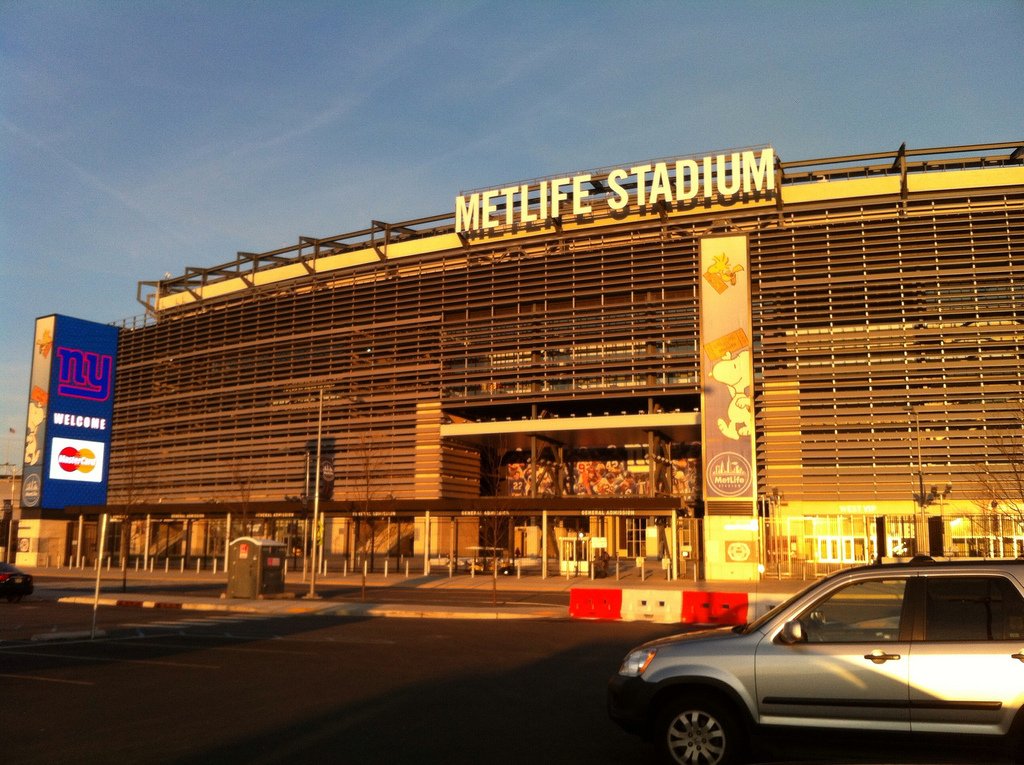
The backlash moved from social media complaints to a formal legal matter on May 27, 2026, when New York Attorney General Letitia James and New Jersey Attorney General Jennifer Davenport jointly announced they had subpoenaed FIFA. The subpoena specifically targets ticketing practices for the eight World Cup matches at MetLife Stadium in East Rutherford, New Jersey, including the July 19 final.
The two attorneys general say their investigation follows press reports that fans were misled about the location of seats they purchased after FIFA adjusted its stadium zone maps following the initial sales. Fans who bought tickets for one seating zone found themselves reassigned to less desirable seats, including locations far from the field or directly behind the goals, without the kind of clear notice consumers expect when paying thousands of dollars for a single match.
Davenport did not soften her language when announcing the probe. She accused FIFA of turning ticket buying into what she called a gauntlet of confusion, fake scarcity and impossibly high prices, adding that hosting the World Cup is not an invitation to exploit residents and visitors. James focused on the seat reassignment issue specifically, saying fans deserve to trust that the tickets they purchase are the ones they actually receive. The investigation is examining whether FIFA’s release schedule, public statements and other conduct contributed to the price increases, which according to the attorneys general averaged 34 percent across the three main ticket categories between October and April alone.
Separately, Football Supporters Europe and the consumer group Euroconsumers filed a formal complaint accusing FIFA of abusing a monopoly position to set ticket prices, arguing that the limited batch of discounted tickets released in December sold out before the general public ever had a real chance at them.
What FIFA Changed in Response
FIFA’s main concession has been the Supporter Entry Tier, a 60 dollar ticket option introduced for every one of the 104 matches, including the final. The tier is allocated to national football associations rather than sold directly by FIFA, and each association is expected to distribute its share to fans with a demonstrated long term connection to the national team. In practice this tier represents roughly 10 percent of each association’s overall allocation, which works out to a few hundred seats per match in stadiums that hold up to 80,000 people. Some reporting has put the Supporter Entry Tier at closer to 1.6 percent of total tickets across the tournament once every category is counted, which explains why so many fans who wanted a cheap seat still could not find one.
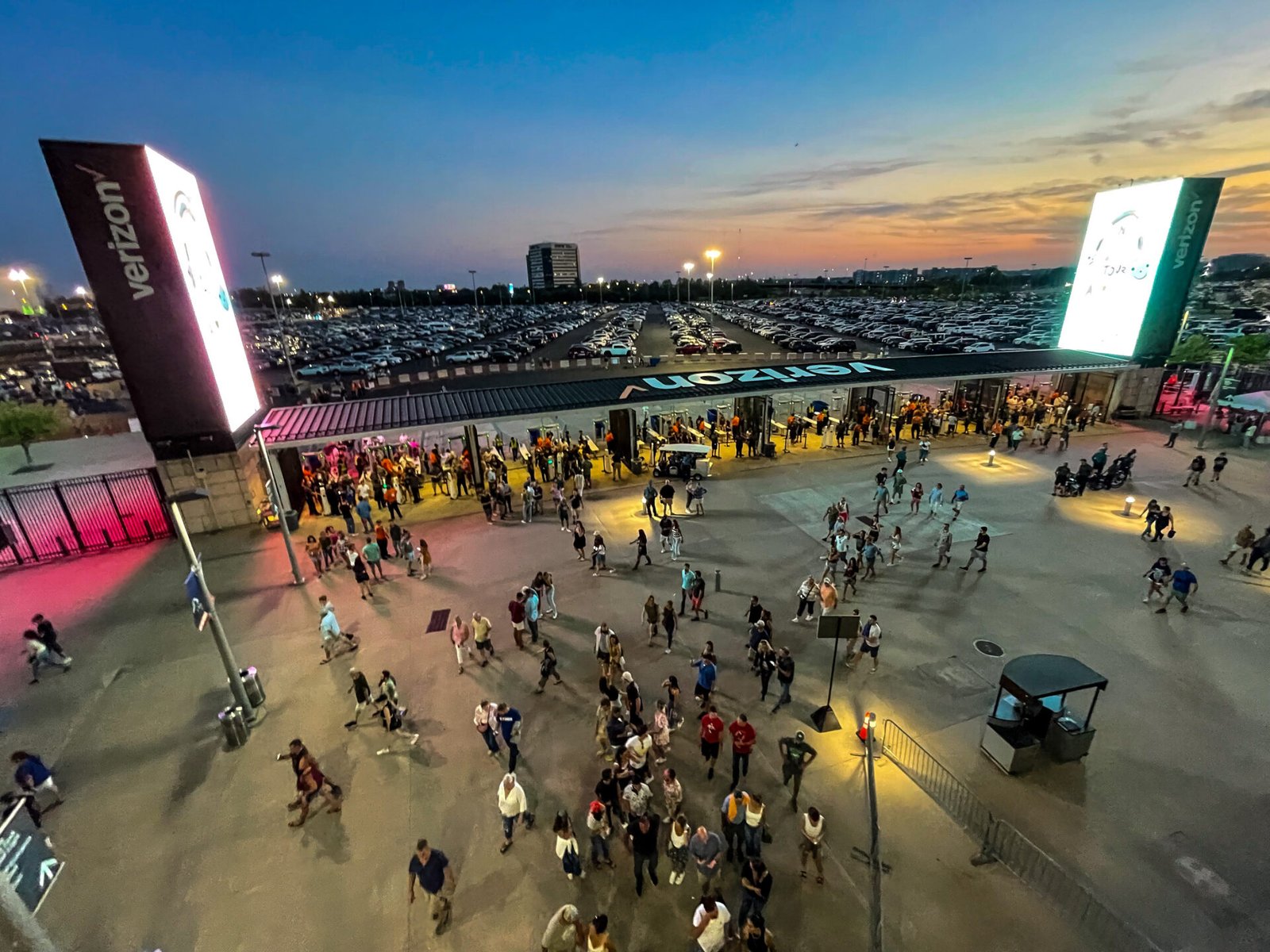
New York City stepped in separately from FIFA’s own response. Mayor Zohran Mamdani announced a city level initiative offering 50 dollar tickets to city residents, a direct attempt to give locals a path into matches at MetLife Stadium that did not depend on FIFA’s pricing structure at all.
Infantino has stood by the overall pricing strategy in public appearances, including at the Milken Institute Global Conference and the World Sports Summit in Dubai, while acknowledging the criticism as feedback he takes seriously. He has repeatedly drawn a line between the headline grabbing resale prices, which FIFA does not directly control once a ticket changes hands, and the face value prices FIFA itself sets, arguing that the vast majority of seats at any given match are priced far below the figures that generate outrage online.
Plan Your Trip With Less Financial Risk
If you already have tickets or are still trying to secure them, the financial exposure of a World Cup trip goes well beyond the ticket price itself. Flights, hotels and the possibility of a cancelled or rescheduled match all carry real cost, and travel insurance is one of the few tools that protects you if something goes wrong between now and matchday.
This post contains affiliate links. If you purchase through our links we may earn a small commission at no extra cost to you. See our affiliate disclosure.
World Nomads offers travel insurance plans built for international trips like this one, covering trip interruption, medical emergencies abroad and lost luggage. Given how much uncertainty has already surrounded this tournament’s logistics, it is worth checking a policy before you commit thousands of dollars to flights and hotels. Compare World Nomads travel insurance plans before you finalize your World Cup trip.
Frequently Asked Questions
Why are FIFA World Cup 2026 tickets so expensive?
FIFA introduced dynamic pricing for the first time at a men’s World Cup, allowing prices to rise with demand rather than staying fixed. Combined with record breaking demand for the first 48 team tournament, this pushed prices for the most expensive seats to roughly four times what they were at the 2022 World Cup in Qatar.
Is FIFA actually under investigation over ticket prices?
Yes. The attorneys general of New York and New Jersey subpoenaed FIFA on May 27, 2026, specifically over ticketing practices for matches at MetLife Stadium, including the final. The investigation covers both pricing and complaints that fans were reassigned to worse seats than the ones they paid for.
What is the Supporter Entry Tier and how do I get one?
It is a 60 dollar ticket tier FIFA introduced after the initial backlash, available for every match including the final. These tickets are distributed through national football associations to fans with a strong connection to that team, not sold directly through FIFA’s general ticketing platform, so you typically need to apply through your own country’s federation or supporters club.
Did the final really almost cost two million dollars for one ticket?
Resale listings for four final tickets reached close to 2.3 million dollars each, a figure that generated global headlines and a public joke from FIFA president Gianni Infantino. The official face value prices set by FIFA are far lower, with cheapest standard final seats around 5,785 dollars, though that is still roughly four times the 2022 World Cup’s top price.
Can I still find affordable tickets this close to the tournament?
It is harder than it would have been months ago, but the Supporter Entry Tier and any remaining national association allocations are worth checking first. Local initiatives, such as New York City’s 50 dollar resident ticket program for MetLife Stadium matches, may also offer a path in if you qualify and act quickly.
Why did fans get reassigned to different seats than the ones they bought?
According to the New York and New Jersey attorneys general, FIFA adjusted its stadium zone maps after some fans had already purchased tickets for specific zones, resulting in those fans being placed in less desirable seats, including locations far from the field or behind the goals, without clear advance notice.
Has FIFA admitted any wrongdoing?
No. FIFA and Infantino have defended the pricing as a response to unprecedented demand and have stated that ticket revenue supports football development globally. The investigation by the New York and New Jersey attorneys general is ongoing, and no findings of wrongdoing have been announced as of this writing.